Oct 08, 2025
Biomedical Equipment Calibration: Ensuring Accuracy and Patient Safet
Calibration of biomedical equipment is important to the current healthcare system. Laboratories and hospitals are relying on proper equipment to provide the correct diagnosis and treatment without jeopardizing the patients. Frequent calibration reduces mistakes, guarantees that the equipment complies, and prolongs the lifespan of medical equipment. Facilities save downtime by maintaining equipment in excellent condition and preventing penalties from regulators.
Proper and maintained equipment assists the health representatives in ensuring they deliver efficient and safe patient care without violating stringent requirements.
What then is Biomedical Equipment Calibration?
Calibration of biomedical equipment refers to the act of testing and adjusting medical equipment to agreed standards of reference. It makes sure that the equipment works within the acceptable parameters and provides the correct measurements.
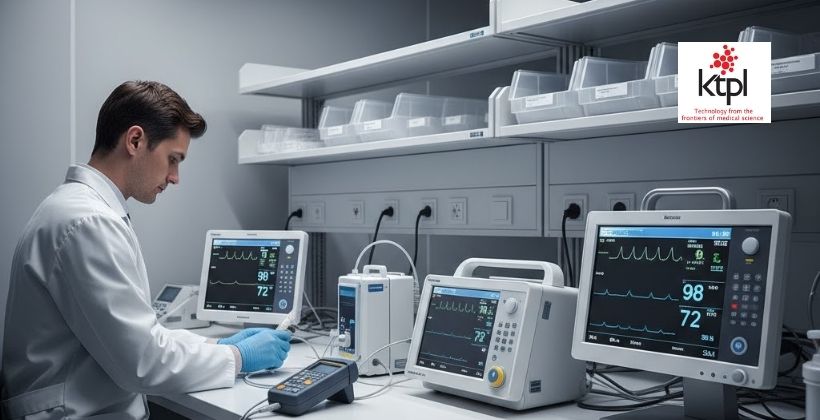
Calibration is a process that incorporates the usage of traceable reference equipment to verify and calibrate the output of the device. The process applies to a broad spectrum of equipment used in hospitals, such as ventilators, infusion pumps, ECG machines, defibrillators, and laboratory analyzers.
Frequent calibration ensures that the results of such instruments are correct, standard, and valid. Any slight malfunction in a medical device may result in wrong treatment choices. It is the reason that calibration is a compulsory aspect of healthcare quality control.
The significance of Timely Calibration in Healthcare
Precision is life-saving in the medical profession. Periodic calibration of equipment used in diagnostic and therapeutic processes makes sure that they are functioning as expected. The hospitals and laboratories profit in many ways:
- Patient Safety: Accurate measurements are provided by calibration devices, and the possibility of clinical errors goes down.
- Regulatory Compliance: The facilities comply with the standards established by NABL, NABH, and other health authorities.
- Shorthand Downtime: Proactive calibration ensures there are no surprises when there are delays and breakdowns.
- Increased Durability of Equipment: Consistently, devices are maintained in good working conditions.
- Legal Protection: Correct equipment reduces the chances of having problems with the law because of wrong readings or failure.
In situations where devices are reliable, clinicians can rely on the data and make reliable and timely decisions. This will result in improved patient outcomes and the daily running.
Types of Biomedical Equipment that require calibration
Various departments use different kinds of equipment that need to be regularly calibrated. These include:
- Patient monitoring systems
- Infusion and syringe pumps
- Anesthesia machines and ventilators.
- ECG and defibrillator units
- Diagnostic Equipment Laboratory.
- Autoclaves, thermometers, and temperature sensors.
There are also some calibration intervals established by manufacturers and regulatory bodies for each device. It is important to follow such schedules in order to ensure accuracy and compliance. Having a capable calibration partner, such as KTPL Medical, will make sure that all equipment is serviced within the right time and that all records are taken.
Calibration of Biomedical Equipment Step by Step
The program of systematic calibration assists in quality and consistency control. This is what professional biomedical engineers do with the process:
- Equipment Identification: Document the details of the equipment, like model number, serial number, and location.
- Pre-Calibration Check: Check the device for physical damage, cleanliness, and basic functionality.
- Configuration of reference standards: You must have reference instruments that have up-to-date calibration certificates.
Measurement Comparison: Compare the outcome of the equipment with the reference to controlled conditions.
- Adjustment: When deviations are beyond what is acceptable, then adjustments should be made to allow the deviation to be corrected.
- Verification: Recheck to ensure that the device has met the necessary standards.
- Labeling and Documentation: Label the equipment with calibration status and make a detailed report.
This control mechanism makes sure that all devices are reliable, and they are also up to the manufacturer's specification as well as the required regulatory standard.
Regulatory Compliance and Standards
Medical equipment performance is a very strict guideline that healthcare facilities should follow. Calibration is important in fulfilling these requirements.
The following are some of the main standards:
- NABL and NABH: These are accreditation agencies that establish national standards of calibration and quality.
- ISO 17025: A standard of calibration and test laboratories worldwide.
- Guidelines of manufacturers: The manufacturers provide specifications of the calibration intervals and processes.
- Best practices in Biomedical Engineering: Industry standard practices that guarantee proper and safe operation.
Detailed documentation is required during inspection and audit. The calibration report must contain reference instruments, test results, technician information, and calibration dates. It is easy to collaborate with a certified supplier such as KTPL to make sure that your facility passes all these requirements without being under pressure.
The Advantages of Calibration Services by an expert
There are distinct benefits of having a professional calibration service provider instead of doing it internally:
- Experience: Competent engineers adhere to specific calibration.
- Efficiency: Scheduled services reduce interference in the operations of the hospital.
- Traceability: The calibration activities correspond to the requirements of NABL and NABH.
Cost Savings: Preventive calibration is cheaper with regard to repair and replacement.
- Audit Readiness: The timely reports facilitate the regulatory inspections.
Professional calibration guarantees it is consistent among various departments in enhancing patient care and compliance.
Reasons why KTPL Medical should be selected in the calibration process
KTPL Medical is a well-known brand of medical equipment calibration for hospitals, laboratories, and other healthcare institutions in India. Here’s why KTPL stands out:
- Licensed and qualified Engineers: KTPL has qualified biomedical engineers and technicians.
- Complete Solutions: The team deals with the calibration of diverse equipment, including ICU apparatus and lab equipment.
- NABL Traceable Standards: Will have all reference instruments that can be traced to NABL-accredited labs.
- Flexible Service Solutions: Calibration services are provided on-site and off-site to minimize the impact on the hospital operations.
- Detailed Reports: Audits and compliance. Each service has full calibration certificates.
- Timely Service: KTPL offers you timely service and scheduled reminders so that your equipment is always at the right time.
The selection of KTPL Medical will give the hospitals a reliable partner whose objective is accurate, compliant, and efficient in its operations.
Frequently Asked Questions (FAQ)
Q1: What happens to be the frequency of calibration of biomedical equipment?
Ans: The calibration frequency is determined by the type of device, manufacturer, and regulatory specifications. The majority of critical devices are to be calibrated once or twice a year.
Q 2: Does it have the ability for on-site calibration?
Ans: Yes. KTPL Medical will also provide on-site and off-site calibration to avoid any major interference in operation.
Q3: What would be the case when a device does not calibrate?
Ans: In case of failure of a device, the technicians carry out the required adjustment or suggest repair. This is done with recalibration to ensure that the device is accurate, and then it is returned to service.
Q4: Does an audit entail the use of calibration certificates?
Ans: Yes. Certificates of calibration are also necessary when audited by NABH or NABL or regulatory authorities. KTPL offers full records of each service.
Q5: Does the calibration have an impact on the warranty of the device?
Ans: The warranty of a manufacturer is not waived by certification by certified professionals. Indeed, it is frequently used to uphold a warranty.
Conclusion
Accuracy, patient safety, and regulatory compliance require biomedical equipment calibration to ensure that all equipment is accurate. Calibration of equipment guarantees the dependable work of devices, and healthcare workers can make effective clinical judgments. Collaborate with a reputable provider such as KTPL Medical and make sure that your facility remains up to date and meets the audit standards. Contact KTPL Medical and ensure your biomedical equipment is precise and up to date all year round.
 +91-11-43523125
  mktg@ktplmedical.com